
How To Tell If Your Guinea Pig Is Sad or Depressed (10 Signs and What To Do)

Guinea pigs can sometimes become sad or depressed when they lose a companion, have a big change in their environment, or experience a stressful event.
Signs that your guinea pig is unhappy can be quite subtle or more obvious depending on the guinea pig.
Below I’ll cover 10 common signs that your guinea pig may be depressed, common causes or underlying reasons, and most importantly, ways to cheer up a sad or lonely guinea pig!
Signs That Your Guinea Pig is Depressed
Guinea pigs can show signs of sadness or depression in several ways. Keep in mind that some of these signs can also be symptoms of illness or pain. Certain behaviors also vary from one guinea pig to another.
Some guinea pigs will even show some of these signs normally. Some are lazier by nature than others or more timid. The key is recognizing when a particular behavior is abnormal for your guinea pig.
Anytime your guinea pig starts behaving in an unusual manner, it’s a good idea to get them checked out by a knowledgeable exotic vet to rule out any underlying issues first. Once you’ve determined that the behavior is not medically related, you can begin to address your piggy’s sad or depressed state.

1. Hiding a Lot and Lethargy
When guinea pigs hide a lot or act lethargic, it can mean there is something wrong with them physically or mentally. Some guinea pigs are naturally shyer than others, so they may simply be scared and hide to find comfort in their surroundings.

Some guinea pigs are calmer by nature and don’t enjoy running around and exploring, so inactivity may be normal for them. Older piggies sometimes fall into this category as they lack the endless energy that young guinea pigs often have.
However, if your guinea pig is young or if their behavior changes suddenly, this raises a red flag. It’s a good idea to get them examined by a vet in case there is a physical problem going on.
Guinea pigs hide illness very well and may not show any major signs of being sick until their condition is very serious.
If everything is okay physically, your guinea pig’s behavior could be a sign of depression. Also look out for similar signs, such as sitting in the corner or showing a lack of interest in moving, exploring, or checking things out in their environment. Guinea pigs sometimes exhibit behaviors like this when they are lonely, bored, or depressed.
2. Sleeping a Lot
It’s normal for guinea pigs to nap a lot throughout the day and night, especially as they get older. However, guinea pigs typically have short naps, followed by a period of wandering around and grazing on hay.
If your guinea pig is sleeping for much longer periods, especially if they’re sleeping longer than their cagemates, there may be something else going on with them.
3. No Interest in Exploring or Floor Time
Guinea pigs are naturally very curious creatures. They typically love being let out of their cage for some floor time exploration. If they start losing interest in moving around and exploring, there could be something wrong.
Some piggies are a bit less interested in running around than others, but most will still enjoy wandering at their own pace and sniffing around.
If you have a guinea pig that shows no interest at all, or previously loved to run around and then stopped, it could be a sign they are unhappy.

4. Lack of Appetite

Guinea pigs LOVE their food. It’s quite normal for them to show their excitement for crinkling bags by wheeking happily and running around.
When they stop eating or show less interest in their food, this is often a sign of pain or a high degree of stress. For example, some guinea pigs lose their cagemate and subsequently lose interest in their food.
If this continues for longer than a couple of days, you may even notice some weight loss. This is why it’s a good idea to weigh your guinea pig regularly using a small piggy-sized scale.
Weight loss is usually one of the first signs that something could be wrong with your guinea pig.
If something happens to your guinea pig that could affect their appetite, it’s important to keep an eye on them to make sure they continue eating. Guinea pigs are designed to graze on hay throughout the day, so refusing to eat can cause them to go downhill relatively quickly. Guinea pigs that go too long without eating can go into GI stasis where their gut function starts to slow down. This can be a serious condition for guinea pigs.
5. Grumpy With Cagemates and Wanting to be Left Alone
When guinea pigs become uncharacteristically grumpy with their cagemates that they previously got on well with, this can indicate they are unhappy.
They may also show less interest in interacting and want to be left alone. Watch out for excessive teeth chattering, whining, or biting for seemingly no reason when other guinea pigs go near them.
Grumpiness around other guinea pigs can also be a sign of pain or ovarian cysts in females, so it doesn’t hurt to get them checked out by an experienced vet to be sure.
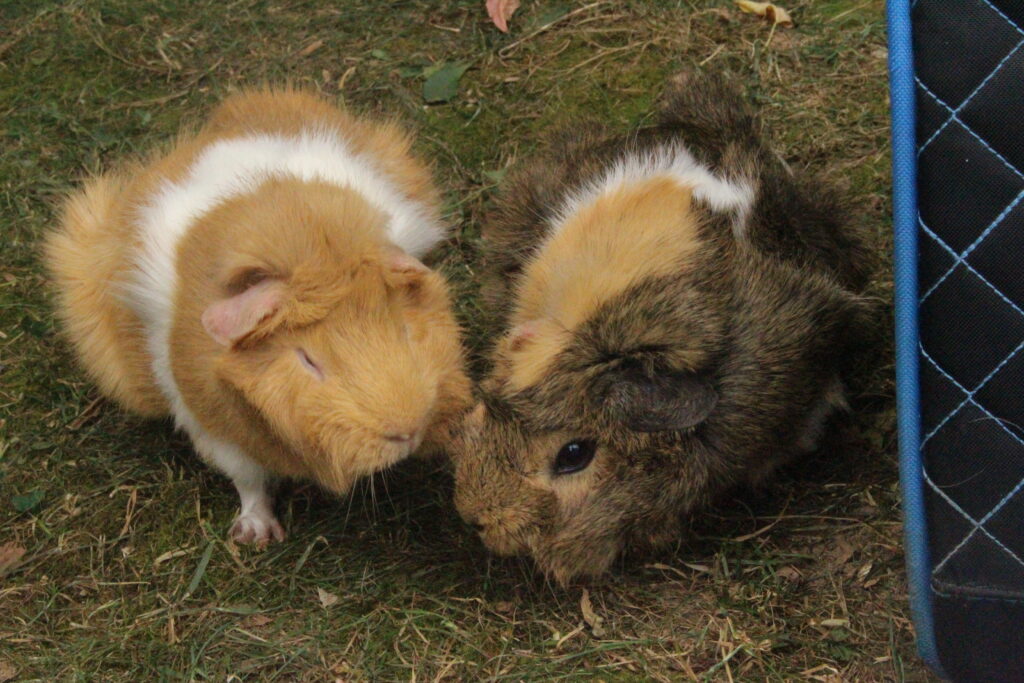
6. No Interest in Interacting With People

Guinea pigs that seem to want no interaction with people may be unhappy or stressed.
This is particularly applicable to guinea pigs that are normally outgoing and friendly. If your piggy often greets you at the side of the cage for attention and snacks and then stops, it often means there’s something wrong.
This is not the case for all guinea pigs, however. Some guinea pigs are simply timid and may be scared to interact with people. This can be quite normal for guinea pigs until they get to know you. If this is the case, there are many ways you can bond with your guinea pig to earn their trust.
7. Your Guinea Pig Doesn’t Wheek or Make Any Happy Sounds
If you never hear your guinea pig wheek excitedly, it could be a sign they are unhappy. However, some guinea pigs are less vocal than others and that’s perfectly normal!
Guinea pigs that don’t wheek will usually express their happiness in other ways, like coming out when you walk in the room, running around, or putting their paws up on the cage bars.
Some guinea pigs will even show their contentment by squeaking softly or chutting. Most guinea pigs also get visibly excited during feeding times unless they’re very timid.

8. Your Guinea Pig is Whining or Chattering Their Teeth
Whining, teeth chattering, or emitting high-pitched squeals are generally noises that guinea pigs make when they are unhappy. These noises can be signs of pain or a response to being nipped by another guinea pig. It can be normal to hear these sounds from time to time, but if it happens frequently, you may want to look for the root cause of why your guinea pig is distressed.
9. Your Guinea Pig NEVER Popcorns

Guinea pigs are well-known for the adorable jumping actions they do called popcorning. Popcorning is a common sign that your guinea pig is happy, and most guinea pigs do it from time to time. However, guinea pigs that never popcorn could be unhappy or a little stressed.
If you don’t see your guinea pigs popcorning very much, this does not necessarily mean they are unhappy. Guinea pigs normally popcorn much less as they mature and grow older. However, you will see other signs they are happy, such as squeaking, chutting, running around, and exploring.
However, it is generally odd for young guinea pigs under 6 months to not popcorn at all. If you notice this, it could mean they need a friend or a bigger cage.
10. Their Behavior Changes Very Suddenly
If your guinea pig’s behavior changes drastically in any way from how they used to be, it can be a sign of illness or depression. You know your guinea pig best, so it will be easier for you to tell when there’s something off about how they’re acting.
If you see anything abnormal in your guinea pig, it’s always a good idea to get them checked by a vet first to determine if there are any hidden health problems. If this is cleared, you can start searching for the underlying cause of your guinea pig’s change in behavior. Common reasons could be the loss of their cagemate, moving to a new house or home, or even big temperature drops in the household.
Causes of Depression in Guinea Pigs
1. Losing a Companion
Guinea pigs are very social animals and often bond closely to their piggy companions. As such, losing their cagemate can trigger depression, especially if there are no other guinea pigs around or if they had a close bond with the piggy who passed.
All guinea pigs react differently to losing a cagemate. Some will go on as normal and some are quieter than usual for a few days before bouncing back.
Occasionally, some piggies will go into a longer-term depression and may stop eating. In this case, their physical health can deteriorate and they can become ill.
If you notice your guinea pig eating less or acting depressed after losing their friend, keep a close eye on them and their eating habits. If you’re concerned about their food intake, you can offer critical care from a syringe to keep their weight up and food in their system.

You can also tempt them to eat by offering more of their favorite foods or treats. Offer them plenty of foods high in Vitamin C to keep their strength up as well. Some guinea pigs really love the Oxbow Vitamin C biscuit treats, so those can be an excellent option if your guinea pig is getting picky with their food.
Getting another guinea pig is a good idea long term if that’s an option for you. Even seeing another guinea pig through a cage can help to cheer up a depressed guinea pig. If you happen to have other guinea pigs, it’s a good idea to move their cages closer to the grieving guinea pig to help them with the transition.
2. Pain and Illness

Pain and illness can also appear like depression in guinea pigs but could signal a medical concern. Guinea pigs with arthritis or difficulty moving can also show many of the signs on this list.
When in doubt, it’s best to get them checked out by an experienced exotic vet. Also, make sure your guinea pig is getting plenty of Vitamin C in their diet so they are well equipped to fight off infections and bacteria.
3. Loneliness
Only a small percentage of guinea pigs are confident and independent enough to happily live solo without other piggy friends. For the vast majority of guinea pigs, it’s best for them to have the companionship of their own kind.
Getting lots of attention from humans is great, but unfortunately, it doesn’t replace the need for a same species friend that they can “talk” to in their own language.
In most cases, even guinea pigs that don’t get along with others usually benefit greatly from having other piggies in a cage nearby that they can see, smell, and hear.

4. Stressful Events
In some cases, stressful events such as moving to a new home, loud noises like fireworks, recovering from surgery, or even just moving their cage to a new area in the home can trigger behavior changes in guinea pigs.
To reduce stress for your piggy, it’s a good idea to keep them in a quiet environment and cover part of their cage with a towel if they seem upset or scared for any reason.
5. Boredom or Lack of Interaction

Guinea pigs may also become lethargic or depressed due to boredom or